


Home » Software for Energy, Oil, and Gas
Strengthen quality management and reduce operational risks in critical activities. Ensure compliance with ISO, ANP, IBAMAQSMS/EHSESG e international safety standards. Automate controls, centralize documents and maintain traceability and standardization throughout the operation.
Hundreds of companies trust Qualiex


Challenges facing the energy, oil & gas sector
High risks of incidents and environmental impacts due to lack of preventive control
Lack of standards and effective training leads to operational errors
Difficulty in monitoring operations, units and critical supplies in real time
Lack of centralization makes it difficult to monitor quality and operational safety
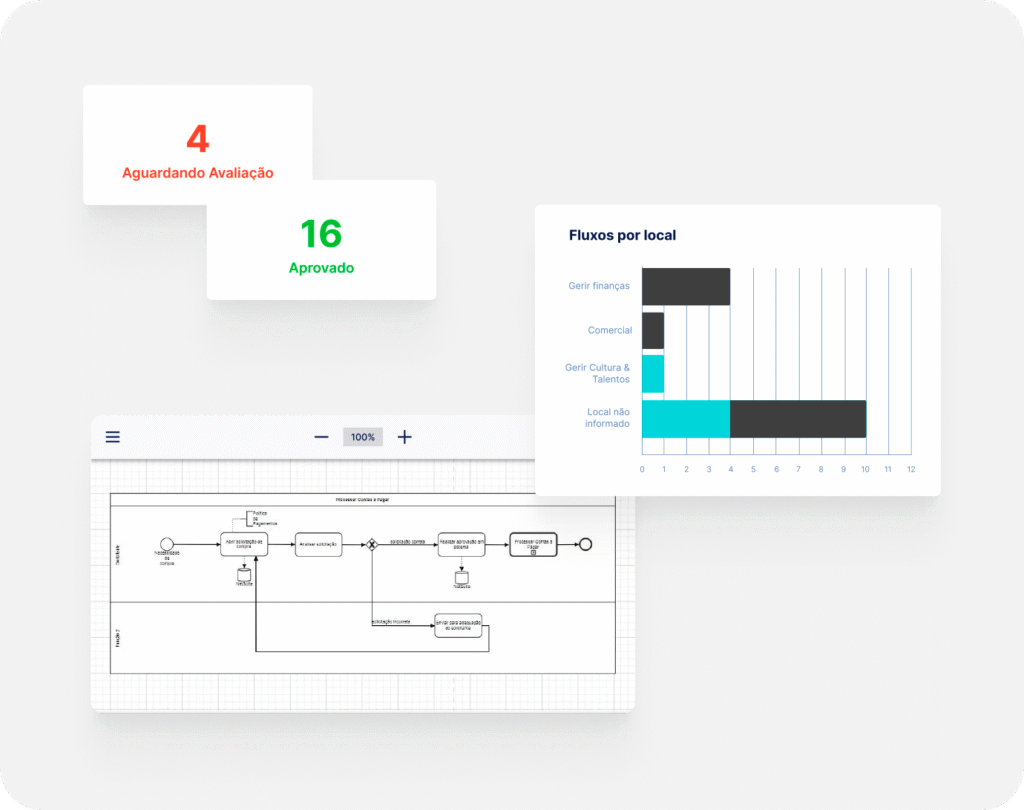
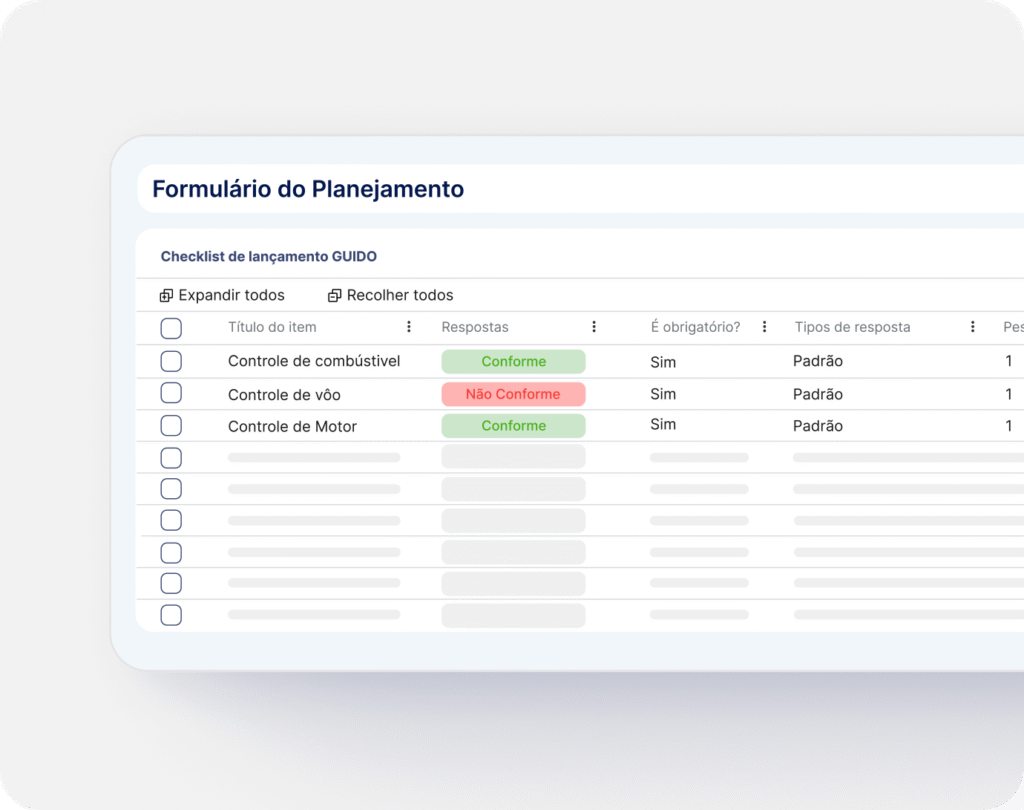
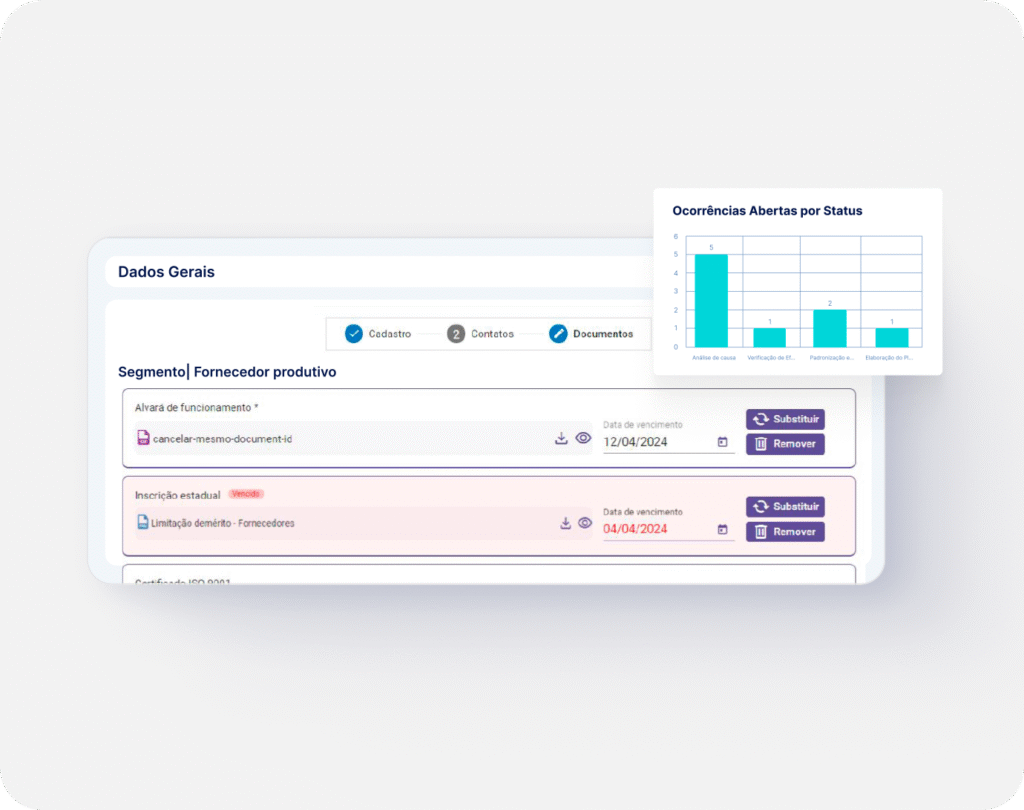
All quality and safety processes in a single solution


What Our Customers Are Saying
Qualiex is a system where you'll never feel left to fend for yourself, because you'll always have support from the professionals at ForLogic.
The implementation of Qualiex itself brought us a benefit by allowing us to optimize our document database and, as a result, gain control over everything.

The most important factor in choosing Qualiex was the system’s usability, which is excellent and provides everything we need for our management system.
We're familiar with several tools available on the market, but we see what sets Qualiex apart, both in terms of customer service and functionality
Count on a certified company
We are the only management software on the market with proven quality and information security with certificates in ISO 9001, ISO 27001, ISO 27701 and ISO 27018.


Quality management in the energy, oil, and gas sector involves the set of processes, controls, and practices used to ensure operational safety, regulatory compliance, and excellence in the execution of operations. Its goal is to reduce risks, prevent failures, and ensure the safety of people, assets, and processes.
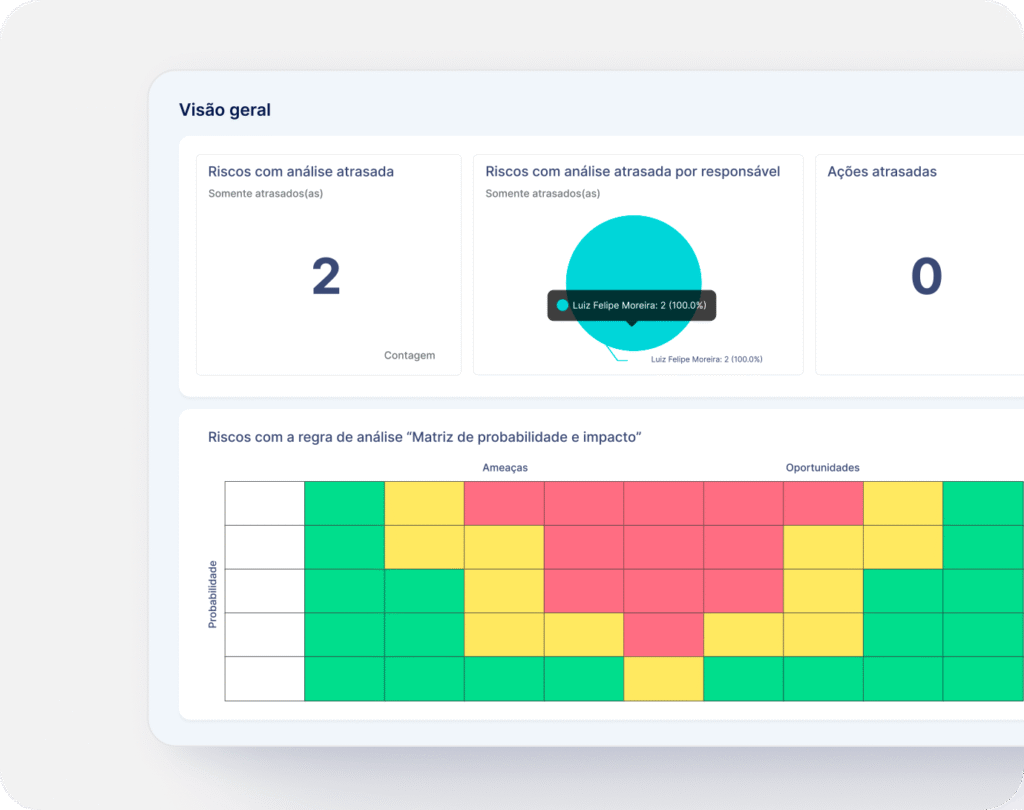
Operational safety depends on the implementation of standardized procedures, risk management, staff training, monitoring of indicators, and proper incident response. These practices help reduce the likelihood of failures and minimize operational, environmental, and human impacts.
HSE stands for Health, Safety, and Environment. HSE practices and requirements are designed to protect employees, communities, facilities, and the environment, and are essential for companies operating in high-risk industries, such as energy, oil, and gas.
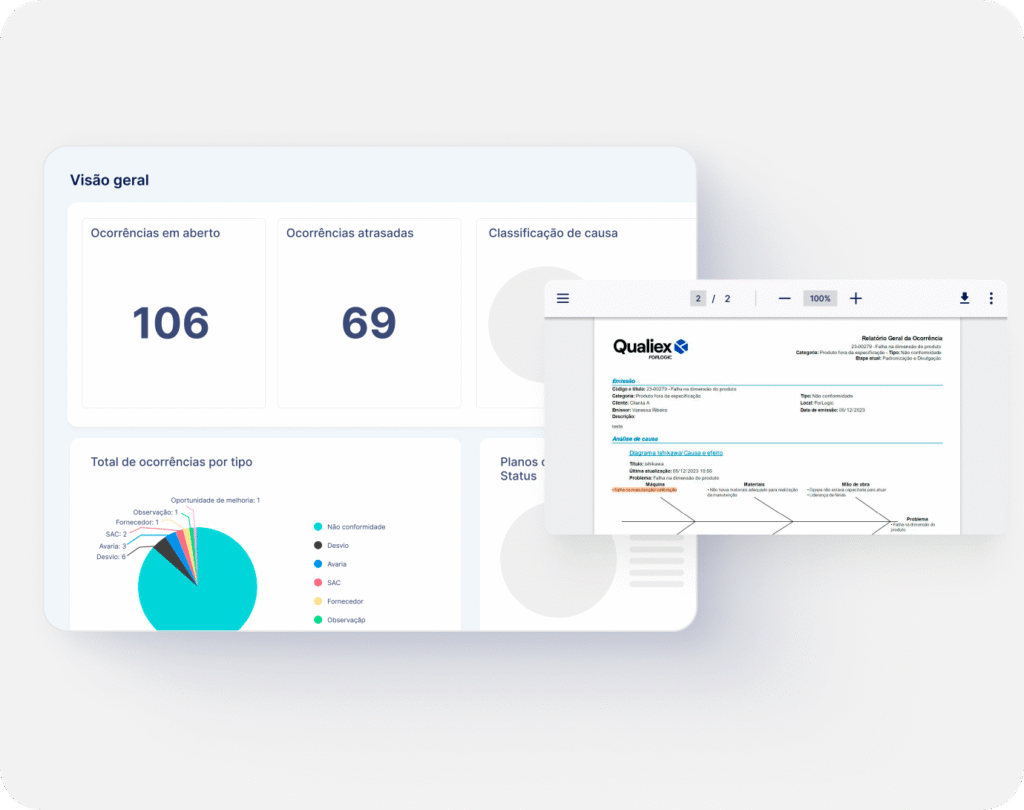
Incident management involves recording the incident, investigating its causes, defining corrective actions, and monitoring the effectiveness of the measures implemented. Proper handling of near misses is also important, as it helps identify risks before they result in more serious events.
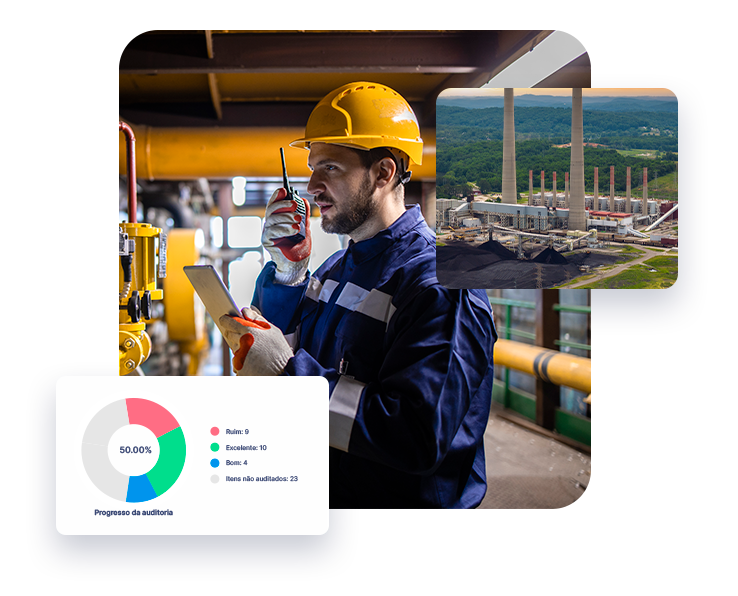
Audits help verify compliance with regulatory requirements, internal policies, and operational procedures. In addition, they help identify opportunities for improvement, strengthen the safety culture, and reduce operational risks.
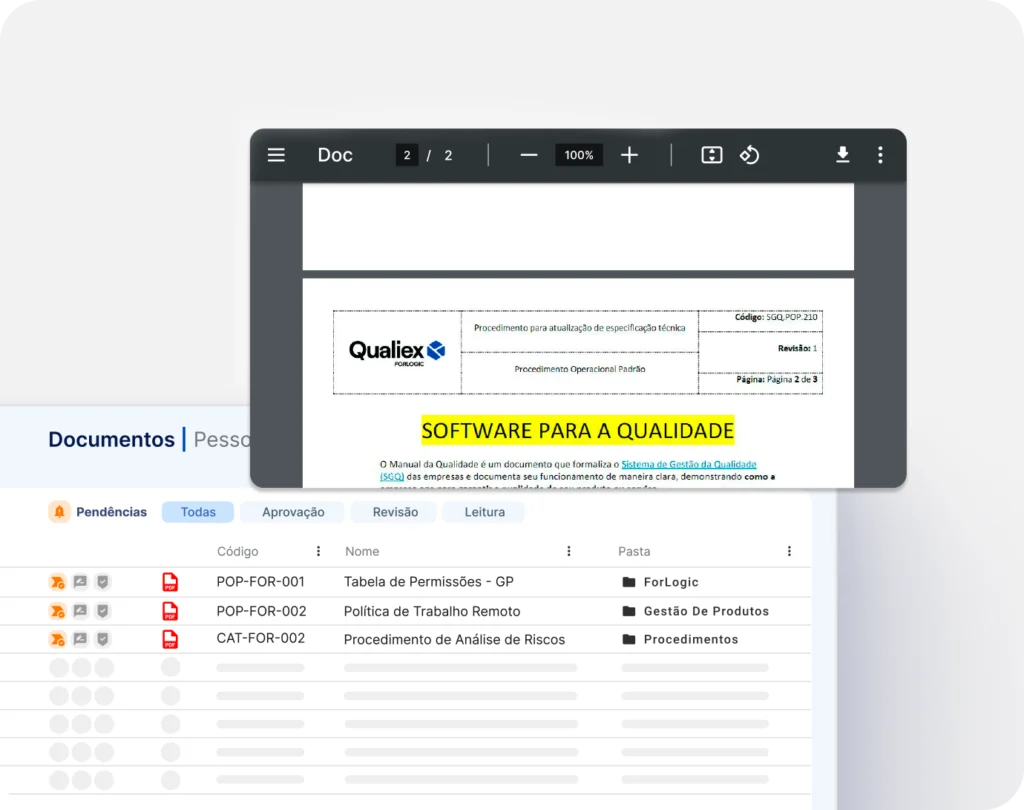
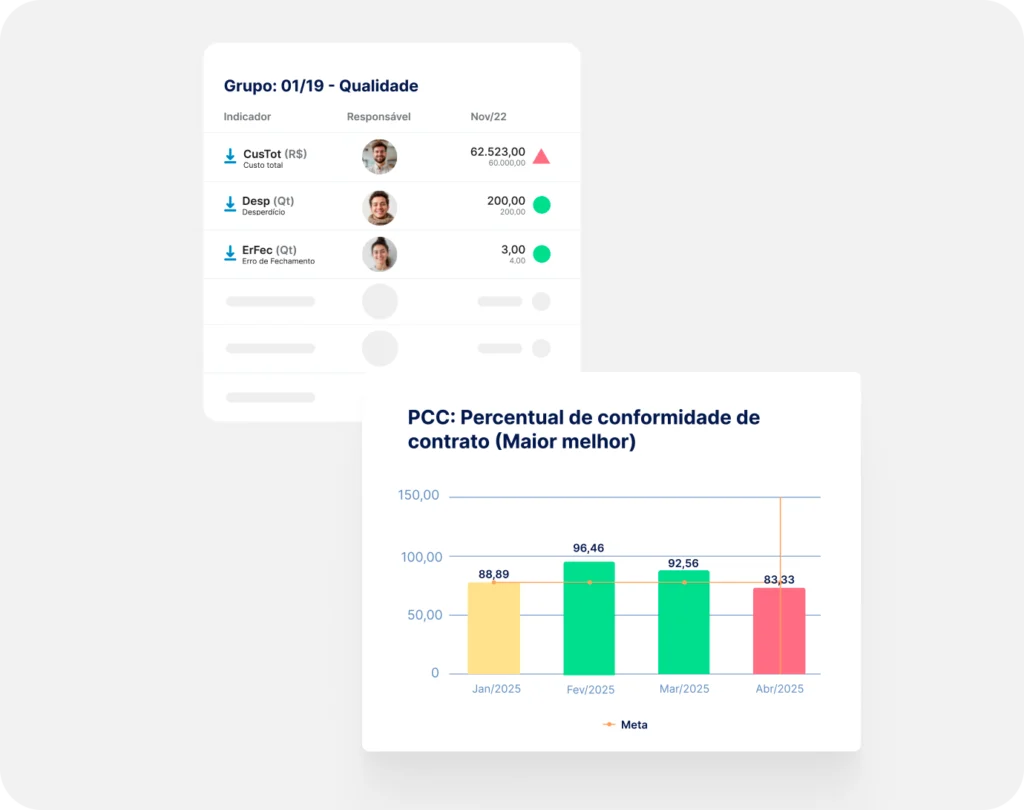
Software for quality management in the energy, oil, and gas sectors is a solution that centralizes processes related to operational safety, audits, risks, documents, incidents, suppliers, and metrics. It helps improve the traceability of information and strengthen control over critical processes.
A quality management system allows you to organize information, automate controls, track regulatory requirements, and monitor indicators in real time. This helps reduce operational risks, increase efficiency, and improve decision-making.
Yes. Qualiex provides tools for managing documents, audits, risks, nonconformities, suppliers, and metrics, helping companies organize the processes needed to meet regulatory requirements and operational safety programs.
Qualiex allows you to log incidents, investigate causes, track corrective actions, and monitor the effectiveness of those actions. This facilitates incident management, strengthens efforts to prevent recurrences, and contributes to the continuous improvement of processes.
Qualiex helps manage requirements, assessments, documents, and evidence related to service providers. This enables the organization to monitor supplier compliance and strengthen safety management throughout the entire operational chain.