Talk to an expert! Fill in the fields below!
          

Risk Management Software

Perform Risk Management in alignment with your company’s goals

Ensure that the risks associated with your processes are being recorded, analyzed, and addressed using a criticality matrix that aligns with your strategy. Link NCs, action plans, and keep Risk Management alive!

Everything you need to effectively map, assess, and mitigate risks

Risk Identification and Categorization

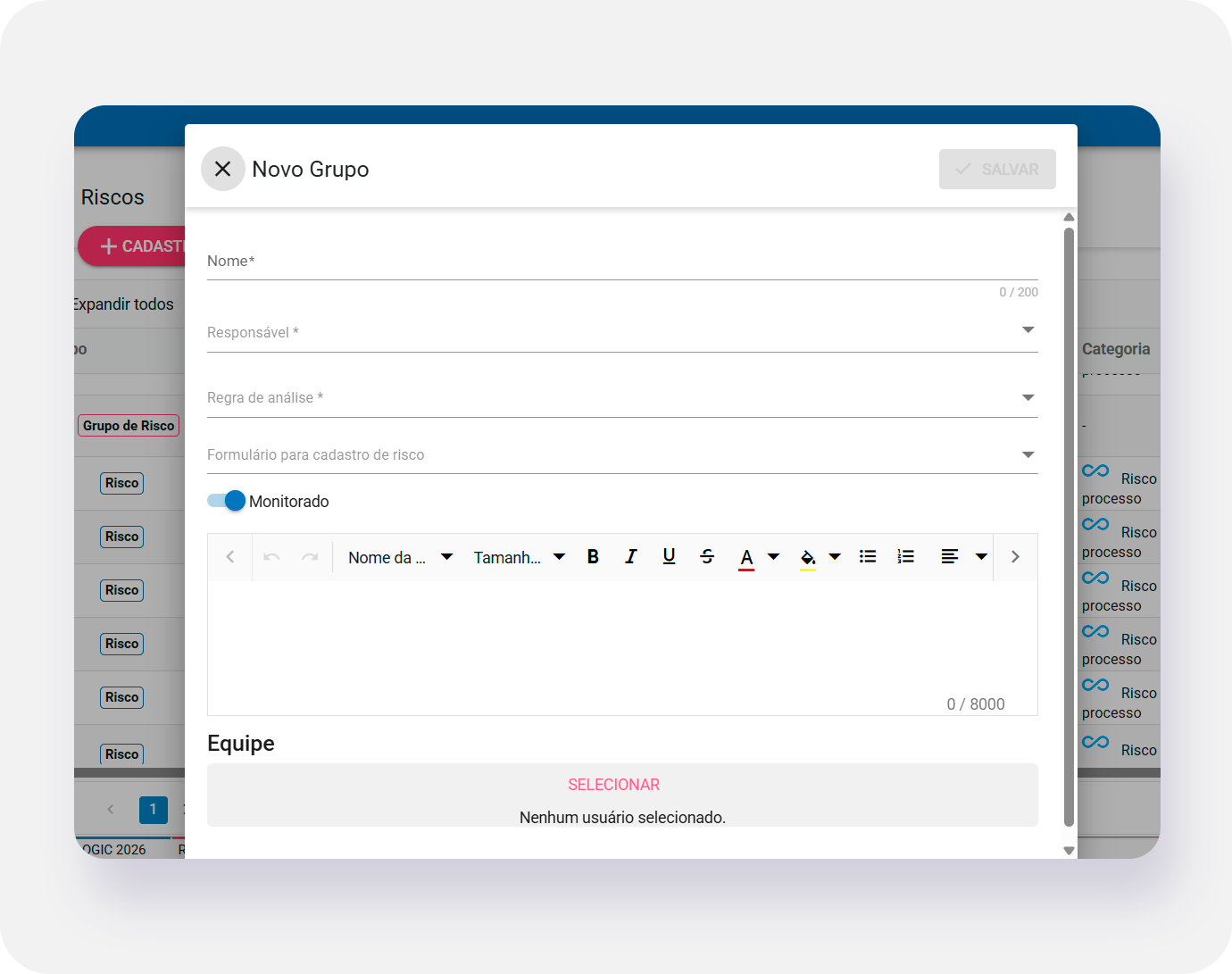
Record risks in groups and categorize them according to your organization's criteria. Risk groups can be processes, topics, or projects. You can use different risk methods for each one. 

Impact and Probability Analysis

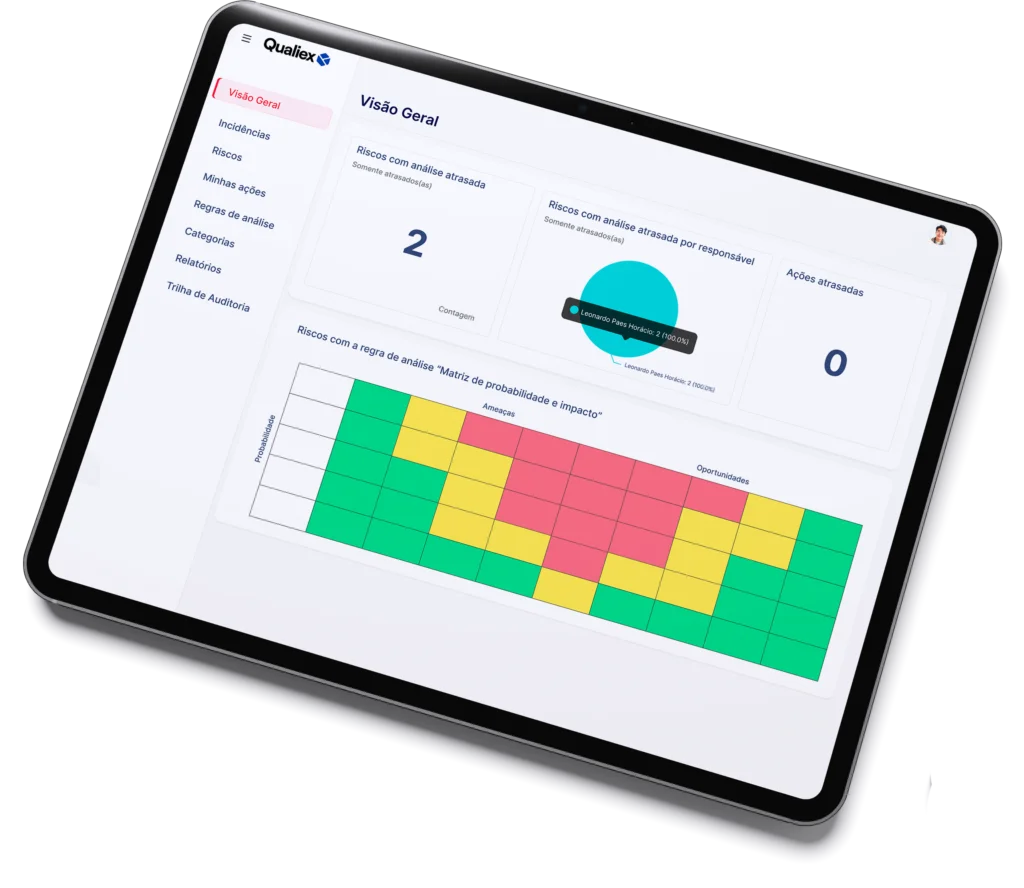
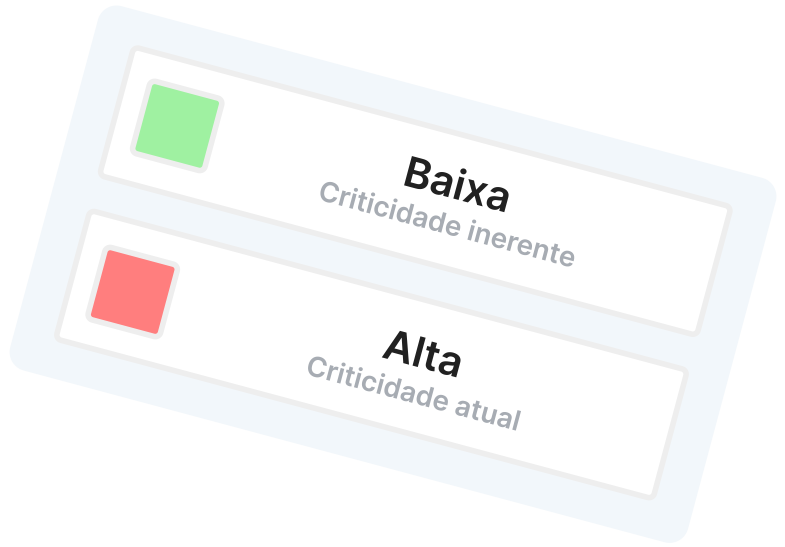
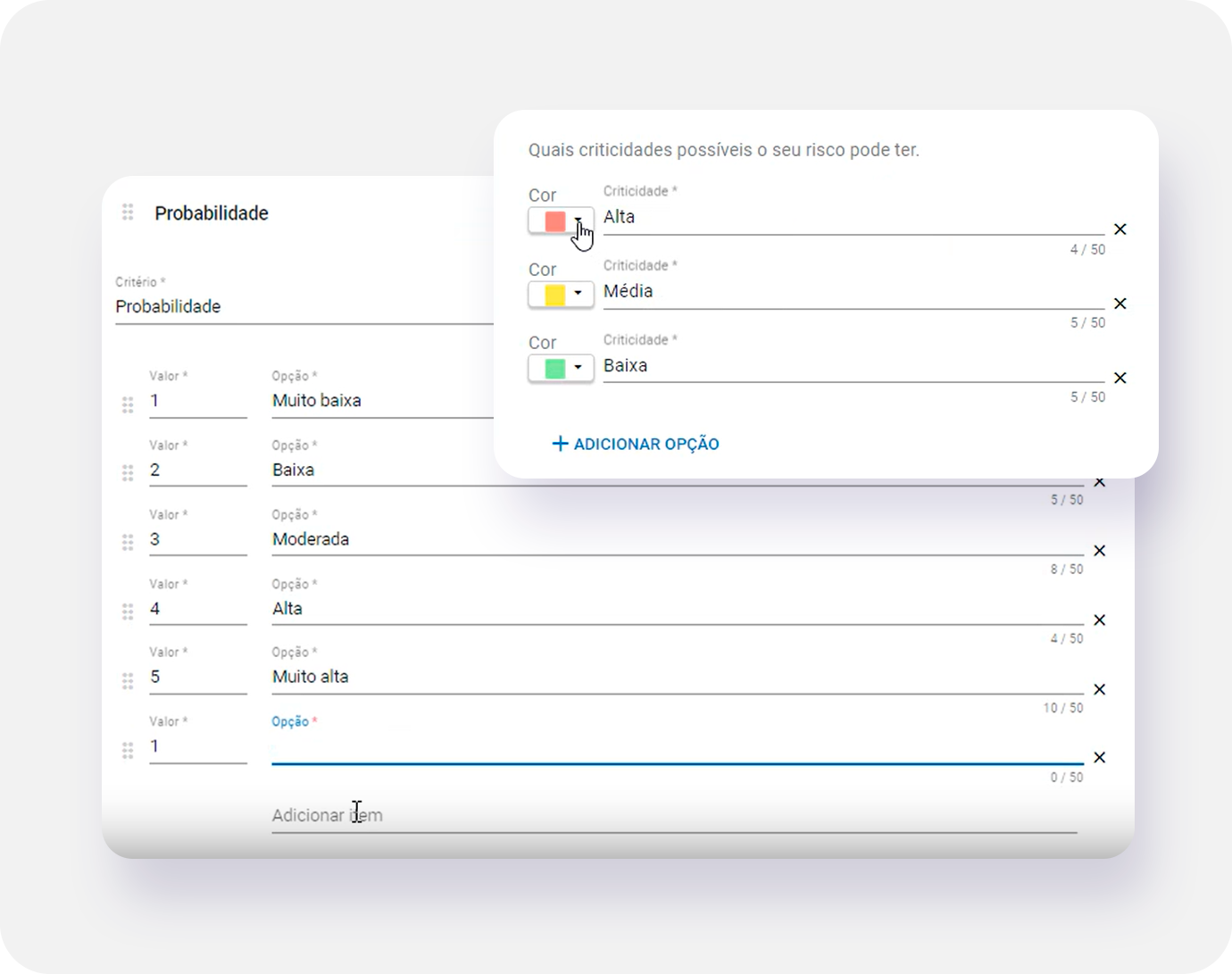
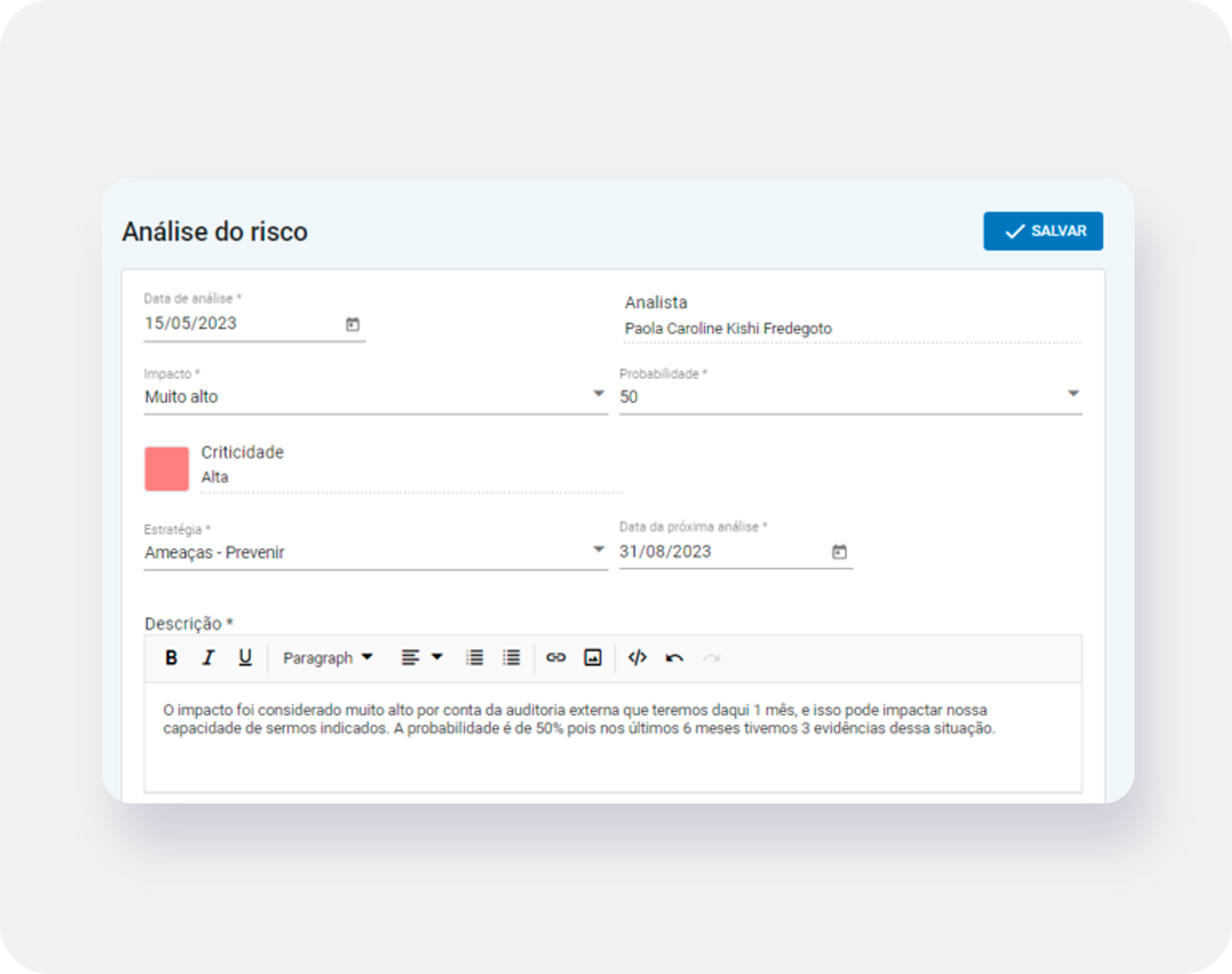
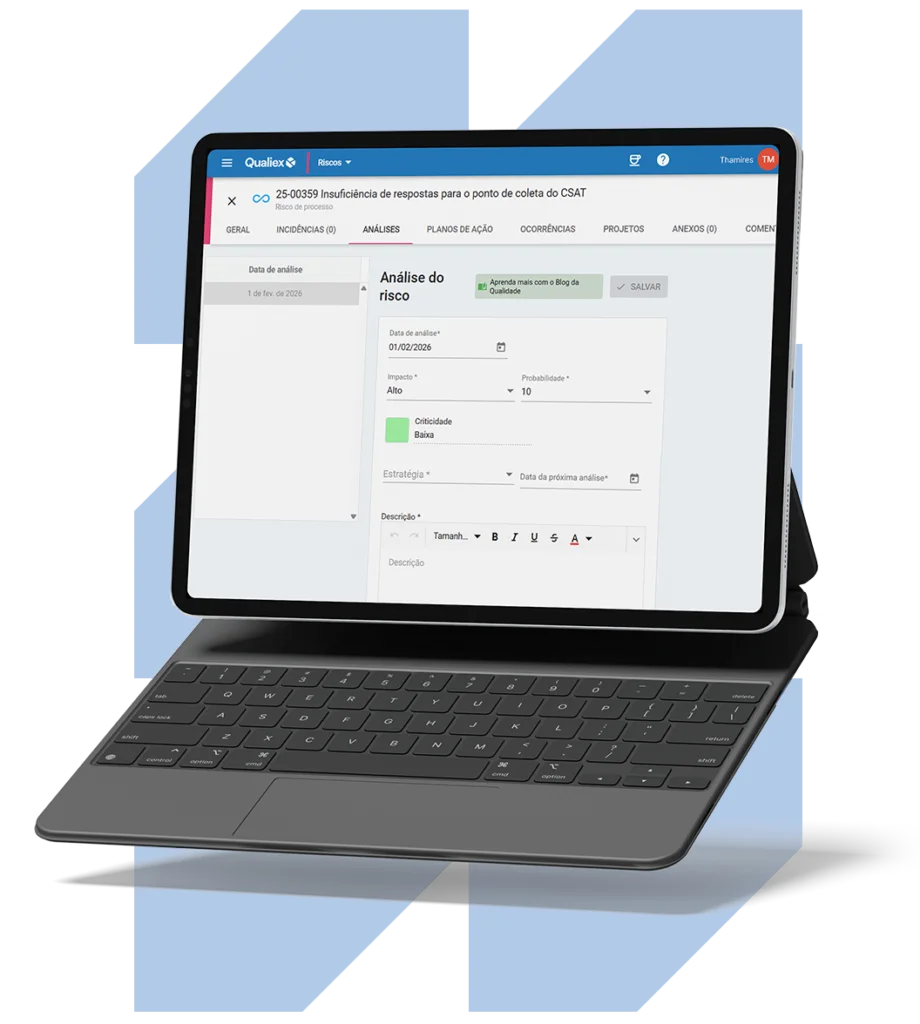
Assess risks quantitatively or qualitatively using configurable matrices that help you visualize criticality levels and prioritize actions. Youcan use a variety of methodologies, such as Hazards and Risks, Environmental Aspects and Impacts, FMEA, HFMEA, and much more!  

Integrated Action Plans

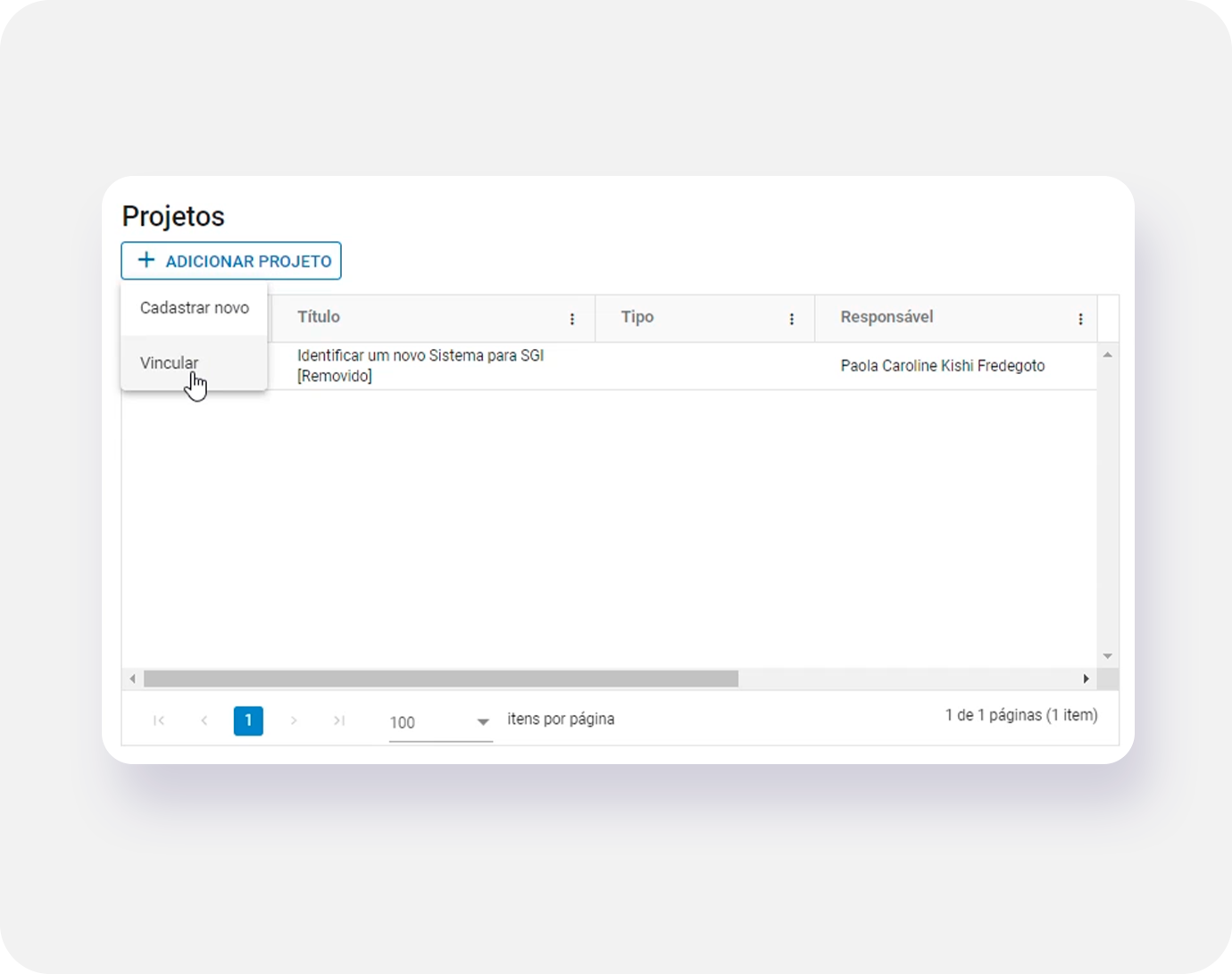
Link action plans directly to identified risks and track deadlines, responsible parties, and results without losing control or traceability. Never lose sight of your risks again! 

Continuous monitoring and reassessment

Record incidents in the risk management system or in an inbox, where a qualified professional will be notified to assess them and route them to the appropriate risk management channels. 

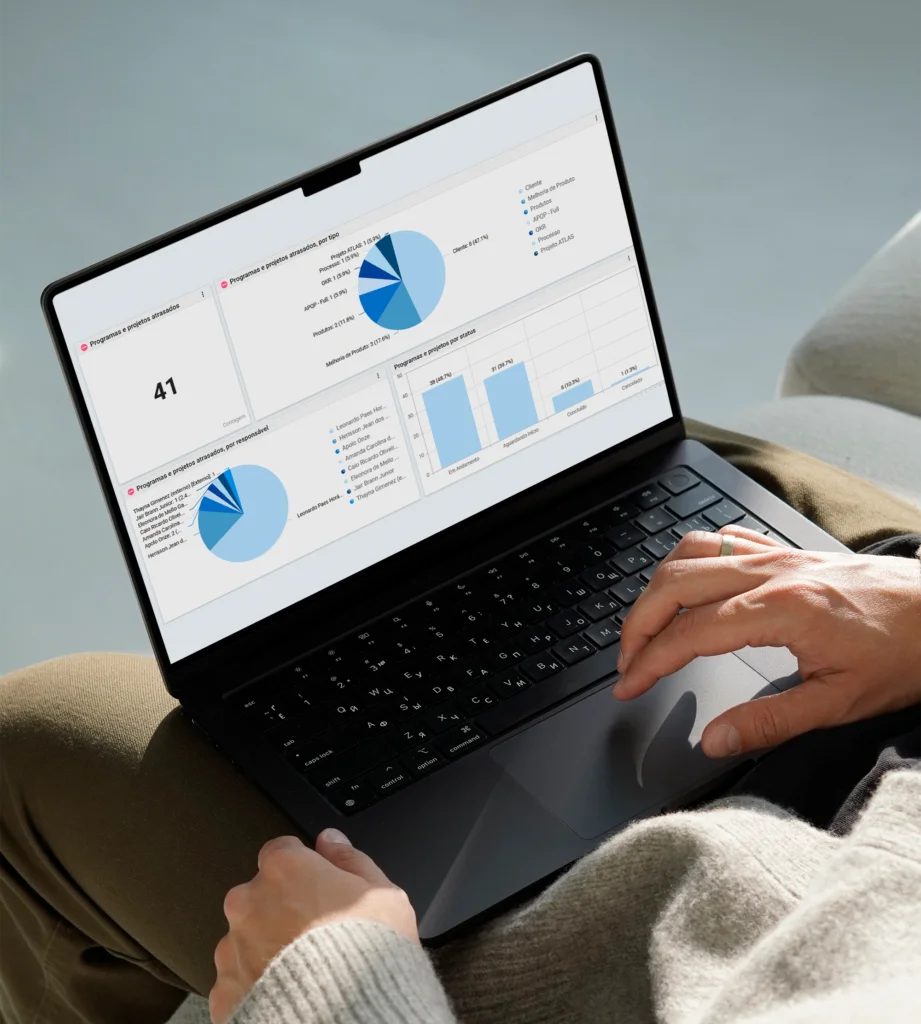
Dashboards and Smart Reports

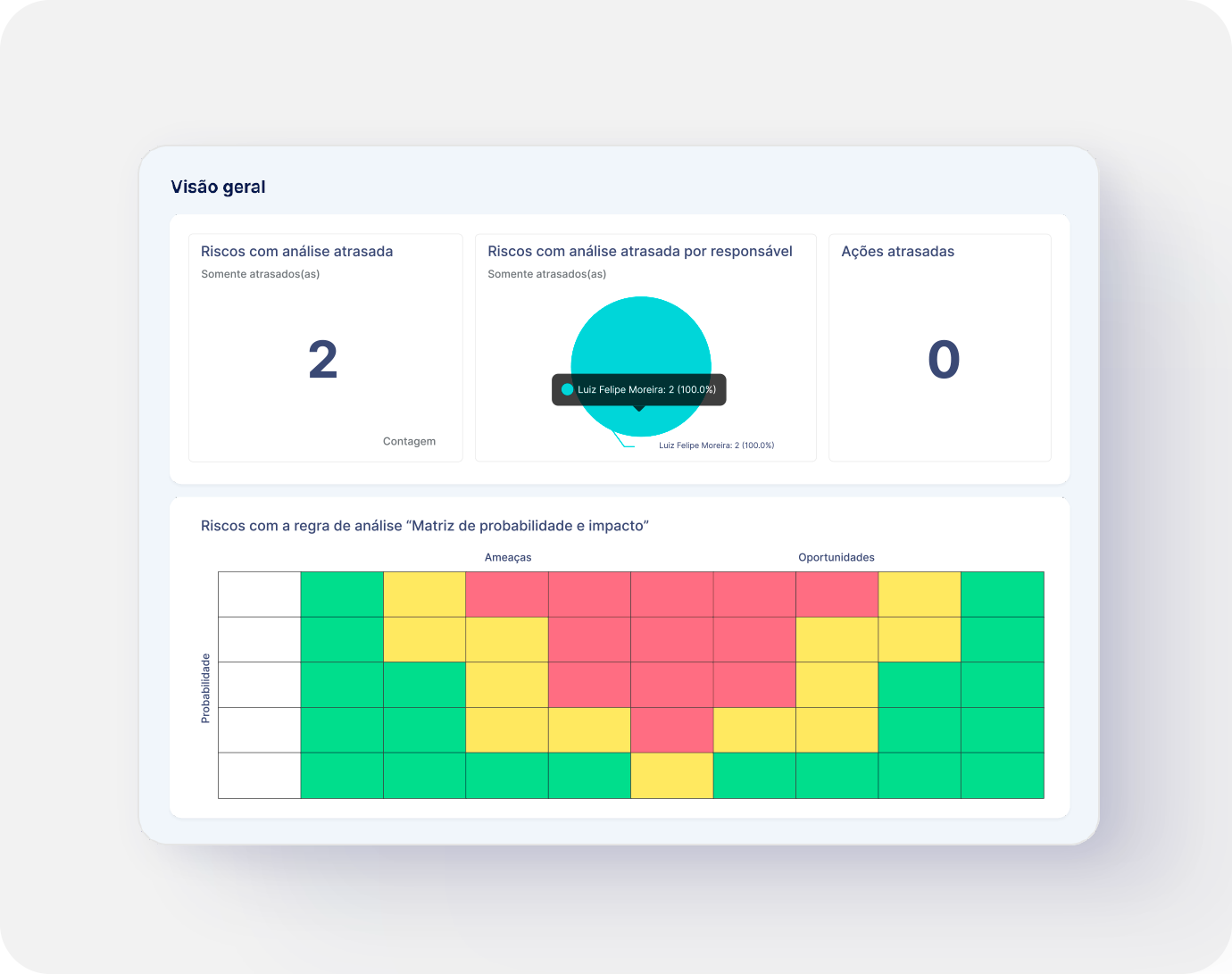
View trends, exposure levels, and the status of actions in real time to support data-driven decisions. Create your own dashboards and share them with stakeholders. 

Everything you need to effectively map, assess, and mitigate risks

Risk Identification and Categorization

Record risks in groups and categorize them according to your organization's criteria. Risk groups can be processes, topics, or projects. You can use different risk methods for each one. 

Impact and Probability Analysis

Assess risks quantitatively or qualitatively using configurable matrices that help you visualize criticality levels and prioritize actions. Youcan use a variety of methodologies, such as Hazards and Risks, Environmental Aspects and Impacts, FMEA, HFMEA, and much more!  

Integrated Action Plans

Link action plans directly to identified risks and track deadlines, responsible parties, and results without losing control or traceability. Never lose sight of your risks again! 

Continuous monitoring and reassessment

Record incidents in the risk management system or in an inbox, where a qualified professional will be notified to assess them and route them to the appropriate risk management channels. 

Dashboards and Smart Reports

View trends, exposure levels, and the status of actions in real time to support data-driven decisions. Create your own dashboards and share them with stakeholders. 

Risks under control, decisions made with confidence

Identify, assess, and manage risks in a structured manner, ensuring predictability and security in every decision.

A clear view of what matters

View risk levels, impacts, and action plans in real time, prioritizing what truly influences your results.

Integrated actions, rapid responses

Turn analyses into practical actions by linking mitigation plans to responsible parties, deadlines, and performance metrics.

Dynamic and Evolving Management

Periodically reassess your risks, monitor changes in the landscape, and keep your system up to date and compliant at all times.

Customizable dashboards for tracking and presenting results

Qualiex integrates information from all modules, transforming scattered data into a single, strategic view. 

With intelligent dashboards in the Analytics module, you can identify patterns, behaviors, and relationships within your QMS, helping you predict failures, anticipate risks, and prioritize what really matters. 

With the Analytics module, you can see how each aspect of quality is connected, influences and shapes the company’s performance, all with the simplicity and robustness of Qualiex. 

With Qualiex, your company gains total control, reduces risks, and ensures compliance with standards, customer requirements, and regulations. Protect your reputation, preserve organizational knowledge, and avoid financial impacts. 

What Our Customers Are Saying

Qualiex is a system where you'll never feel left to fend for yourself, because you'll always have support from the professionals at ForLogic.
Débora da Silva Resins Quality Assistant

The implementation of Qualiex itself brought us a benefit by allowing us to optimize our document database and, as a result, gain control over everything.

Paulo Souza Administrator and Quality Manager at AFIP

The most important factor in choosing Qualiex was the system’s usability, which is excellent and provides everything we need for our management system.
César Ferreira Quality Coordinator at Prevent Senior

We're familiar with several tools available on the market, but we see what sets Qualiex apart, both in terms of customer service and functionality

Tatiane Silva Quality Supervisor

See firsthand how Qualiex transforms your quality management

FAQ - Frequently Asked Questions

Risk management is the set of practices used to identify, analyze, assess, address, and monitor risks that could impact an organization’s objectives. Its main objective is to reduce uncertainty, increase the predictability of outcomes, and support safer and more strategic decision-making.

Risk management generally involves five main steps: risk identification, probability and impact analysis, criticality assessment, definition of mitigation measures, and ongoing monitoring. A structured process enables an organization to anticipate problems, capitalize on opportunities, and enhance its ability to respond to unexpected events.

The risk matrix is a tool used to classify risks based on their probability of occurrence and their potential impact. It helps organizations prioritize the most critical risks and allocate resources to those that require the most attention and control.

ISO 9001 adopts the concept of risk-based thinking, encouraging organizations to identify factors that could affect their results and take preventive actions to minimize negative impacts. Risk management helps increase the effectiveness of processes and strengthen the continuous improvement called for by the standard.

A risk is an uncertain event that could impact an organization’s objectives. A problem is a situation that has already occurred and requires attention. An opportunity is a condition that can generate benefits for the company if it is identified and properly capitalized on. A mature risk management system considers both threats and opportunities.

Risk management software is a solution that allows you to record, analyze, assess, address, and monitor risks in a centralized environment. In addition to organizing information, it automates processes, makes it easier to track defined actions, and provides greater traceability for audits and decision-making.

Risk management software reduces the need for manual controls in spreadsheets, centralizes information, makes it easier to update risk assessments, and provides greater visibility into threats and opportunities. As a result, the organization gains agility in decision-making and greater security in managing its processes.

Yes. Qualiex’s Risk Management module allows you to record risks, define assessment criteria, classify criticality levels, and track the defined mitigation measures. This facilitates the creation and maintenance of risk matrices aligned with the organization’s needs.

Yes. The system allows you to link actions to identified risks, assign responsibilities, set deadlines, and track the progress of activities. This enables the organization to monitor the progress of risk mitigation efforts and improve the effectiveness of risk management.

Yes. The Risk Management module can be used in conjunction with other Management System processes, such as audits, metrics, action plans, document management, and nonconformities. This integration provides a broader view of organizational risks and strengthens continuous improvement initiatives.